Gilman Scholarship opens doors for students
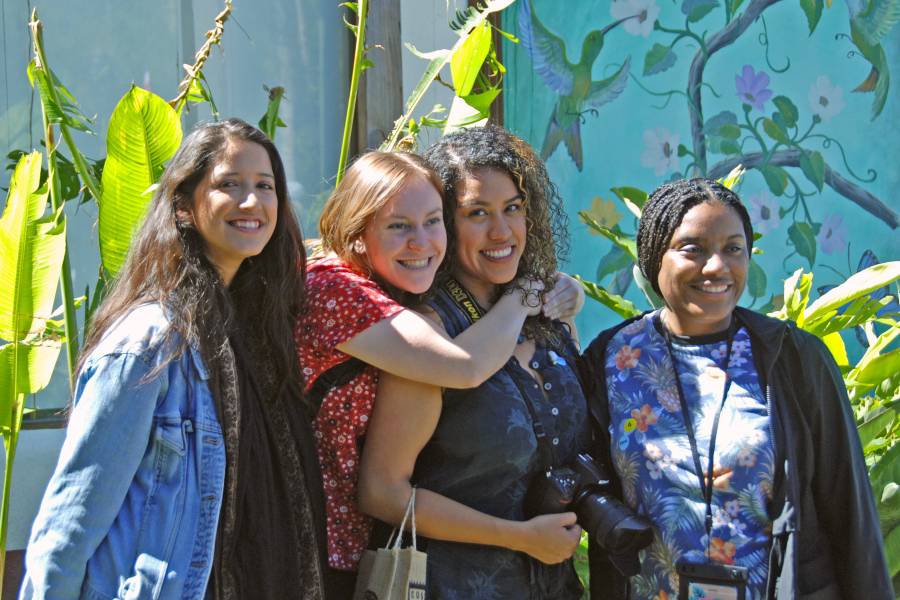
Psychology major Katherine Martinez is one of 29 Citrus College students who recently returned from the college's study abroad trip to Costa Rica. Tired, but eager to share her experience with others, Katherine fondly recalled the encyclopedic knowledge of instructor Robert Goodman and the kind faces she encountered at orphanages throughout the country. An aspiring psychologist, she describes the trip as a "once-in-a-lifetime opportunity."
Students are increasingly learning about the college's study abroad program and the opportunities it provides; however, many students immediately discount themselves as potential participants, assuming that the program is too expensive. While finances are certainly a factor, Katherine, as well as students Taymara Murillo and Morgan Lewis, want their peers to know that financial support is available.
All three were recent recipients of the Gilman Scholarship.
Sponsored by the U.S. Department of State's Bureau of Educational and Cultural Affairs, the Benjamin A. Gilman International Scholarship enables undergraduate students of limited financial means to study abroad, thereby internationalizing their outlook and better preparing them to thrive in the global economy.
"As the Citrus College Study Abroad program continues to expand and add new and exciting countries to its selection, it's imperative that students know these doors of opportunity are opening to them. It's a matter of knowing that financial aid is available and then pursuing it," said Study Abroad Specialist John Morris.
Katherine, who had to complete an essay and a personal statement as part of her application, ultimately received $4,500 to study in Costa Rica. For Katherine, the funds meant freedom to gain new experiences and to save money for her upcoming transfer to California State University, Long Beach.
"It was a blessing," said Katherine.
According to the 2017 Open Doors Report, the Citrus College Study Abroad program is ranked third in the state for student participation and first for longer trips among California community colleges. In addition, the program has 42 percent more Hispanic student participation than the national average."
This article originally appeared in the March 2018 edition of the Citrus View.